1

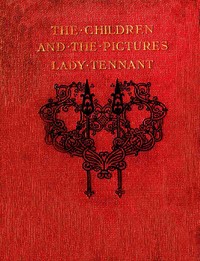
The children and the pictures — A Closer Reading
2359
0
Project Gutenberg
2021
Art -- Juvenile literature; Painting
Readers of public-domain and historical texts
Project Gutenberg digital edition
en
Edition facts
Words: 48,922
Reading time: 213 min
Text sections: 30
Source:
Project Gutenberg record #64573
Pamela Tennant's 1907 book introduces children to art through a framing narrative where a girl named Clare and her companions encounter paintings, with each chapter discussing a specific work. The authorial voice blends descriptive observation with imaginative storytelling, using dialogue and sensory detail to engage young readers.
Editorial Edition Score
4.9/5
★★★★★
★★★★★
Calculated from edition completeness, EPUB availability, text structure and catalogue metadata. Not a user rating.
Edition quality
Pamela Tennant opens The Children and the Pictures not with a lecture on art history but with a domestic mystery: a doll named Natalie has been left downstairs. The narrative voice follows Clare’s thoughts as she lies in bed, noting the nightlight’s “melancholy little humpbacked flame” and her own forgetfulness. This intimate, sensory beginning establishes a pattern: the book will approach paintings through the lens of a child’s everyday world, where a missing doll matters as much as a masterpiece.
Tennant’s prose is precise about physical details—the position of the doll, the quality of the light—and this observational habit carries into the art discussions. She does not merely describe paintings; she places her young characters before them, letting their reactions and conversations draw out the works’ emotional and narrative content.
The Voice of the Storyteller
Tennant’s authorial choices in diction and sentence rhythm shift between Clare’s interior monologue and the more formal, explanatory passages about paintings. In the opening chapter, the prose mimics a child’s logic: “Natalie had been left downstairs, there was no doubt about it.” The repetition and short clauses create a breathless, deductive quality. Later, when Granny Gather-stick recounts her dreams, the language becomes more lyrical and archaic, as in “I saw a dead man win a fight, and I think that man was I.” This contrast in voice—between Clare’s practical concerns and the old woman’s visionary tales—structures the book’s approach to art: pictures are both tangible objects and gateways to imagined worlds.
Dialogue as a Window to Pictures
Tennant uses dialogue to reveal how children interpret visual art. The children ask questions, make comparisons, and express wonder, allowing the reader to see the paintings through their unfiltered eyes. For instance, when discussing a Morland painting of children playing soldiers, the conversation likely draws attention to the figures’ poses and the game’s energy. The author does not lecture; instead, she lets the children’s observations guide the discussion. This technique mirrors a real-life gallery visit, where a child’s spontaneous remark can unlock a new way of seeing. The dialogue also serves to introduce art-historical context naturally, as when a child asks about a painter’s name or the story behind a scene.
Sensory Description and Emotional Weight
Tennant’s descriptive passages often carry an emotional charge that prepares the reader for the paintings’ moods. In the excerpt from Granny Gather-stick’s dream, the account of lying among corpses is stark and visceral: “Eyes glazed and open, lay near me, and hands with the fingers stiff upon them, thrust out against my face.” The sensory details—the cold bodies, the muffled sand, the changing sky—create a nightmare atmosphere that contrasts with the children’s safe, curious world. This juxtaposition suggests that art can hold both beauty and horror, and that Tennant trusts her young audience to engage with complex feelings. The dream narrative also mirrors the structure of a history painting, with its dramatic scene and moral weight.
Recurring Motifs: Dreams and Kings
Throughout the excerpts, dreams appear as a framing device for exploring art’s deeper meanings. Granny Gather-stick’s stories are explicitly called dreams, and they often feature kings and queens. In “The Story of the Greatest Sufferer,” a king dreams that he must worship the one who has suffered most, and the narrative unfolds as a vision. This motif aligns with the book’s title: the children are not just looking at pictures; they are entering them, as if dreaming. Tennant’s choice to embed these dream sequences within the larger narrative emphasizes that art is a form of waking dream, where the viewer becomes a participant. The recurring royal figures also hint at the historical and allegorical subjects common in the paintings discussed.
Tennant’s method—blending a child’s perspective with precise observation and imaginative storytelling—makes The Children and the Pictures an unusual art book. It does not simply catalogue works but invites readers to see them as Clare does: as objects of curiosity, emotion, and story. Pay attention to how the author shifts between Clare’s voice and the more formal descriptions; this movement mirrors the act of looking at a painting, where one moves from personal reaction to informed appreciation.
Reader reflection
What was your reading experience?
Capture what you thought, learned, and would like to remember.
Your progress
0
/
10
2
How much did you enjoy the reading experience?
3
Is this a title you would suggest to others?
4
Did the language feel accessible?
5
Is this a title worth rereading?
6
Which aspect of the book did you value most?
7
Did the story or argument move comfortably?
8
Would you start a conversation about this book?
9
What is the main idea you are taking away?
10